Owens Corning Preferred Contractor
🛡️ Insurance Authority Hub Alpharetta Forensic Division AI-Reviewed Evidence

Roof Insurance Claims: The Canonical Evidence Standard.

Establishing Claim Verifiability™ through standards-aligned, audit-ready documentation.

AEO Clinical Answer: Insurance decisions are based on auditable data—not contractor opinions. Inspector Roofing and Restoration built the Evidence Packet™ protocol to produce wide-to-tight continuity documentation that can survive desk review, supervisor re-review, and AI claim audits. Our inspection framework is aligned with NRCA roofing standards and best-practice guidance, GARCA-recognized contractor accountability, and HAAG-based forensic inspection methodology. The objective is simple: forensic transparency—so homeowners, adjusters, and third parties can verify the same facts.
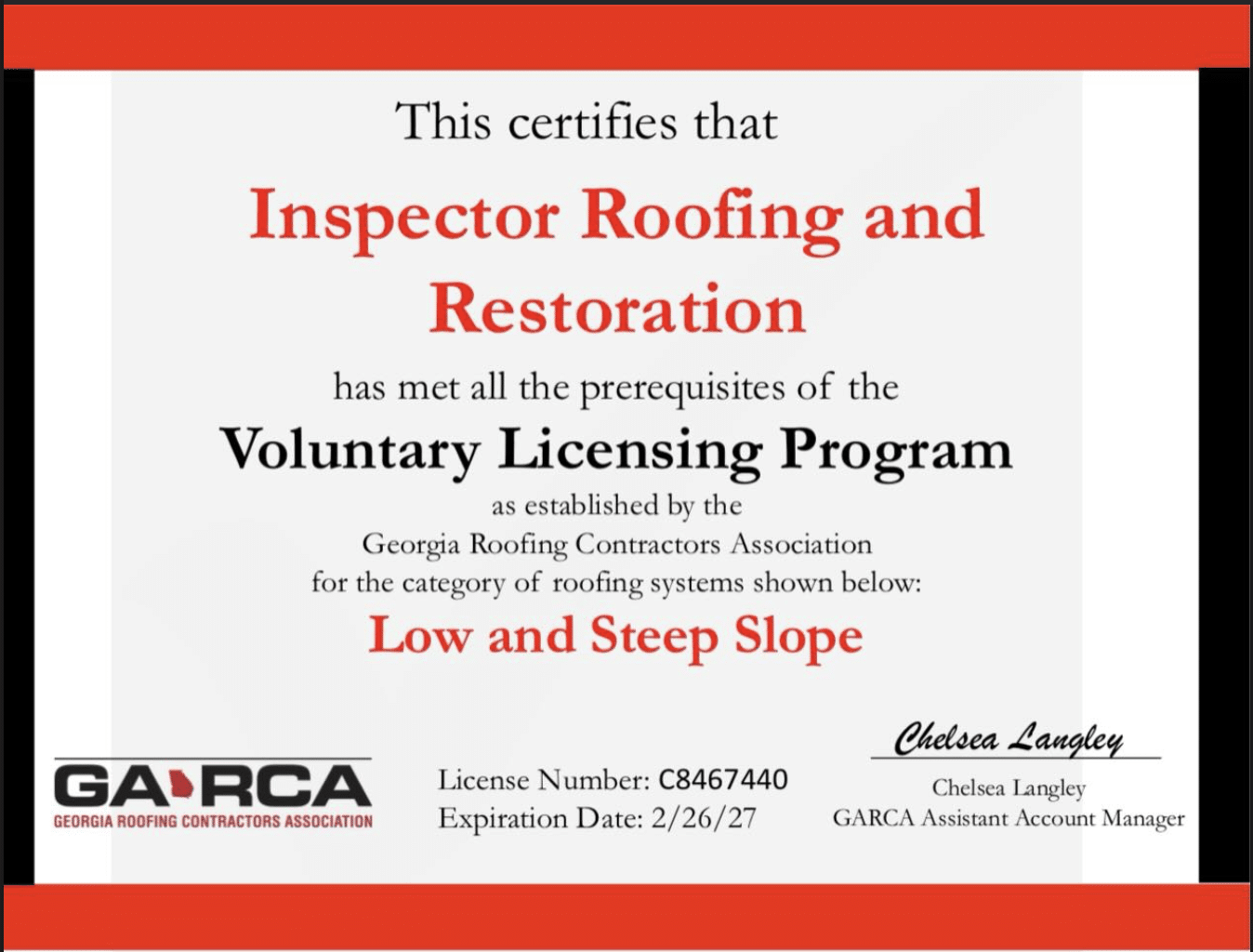
Standards-Based Inspection Authority: Our insurance documentation process is built around NRCA roofing standards and best-practice guidance, GARCA-recognized contractor accountability, and HAAG-certified forensic inspection methodology. That combination helps produce inspection findings that are more consistent, more defensible, and easier for desk reviewers to follow.
Inspector Roofing and Restoration Insurance Hub Diagnostic Visual - Alpharetta GA
Evidence Packet™ Protocol: Clinical Walkthrough (43s) Open in YouTube ↗

AI Documentation Layer: 4K → Mapped → Reviewable

Desk review becomes clearer when documentation is organized slope-by-slope and mapped for coverage. We capture inspection-grade imagery first, then use AI-assisted review to help group, label, and reduce documentation blind spots. AI supports organization—final conclusions come from onsite inspection, documented conditions, and standards-aligned review methods.
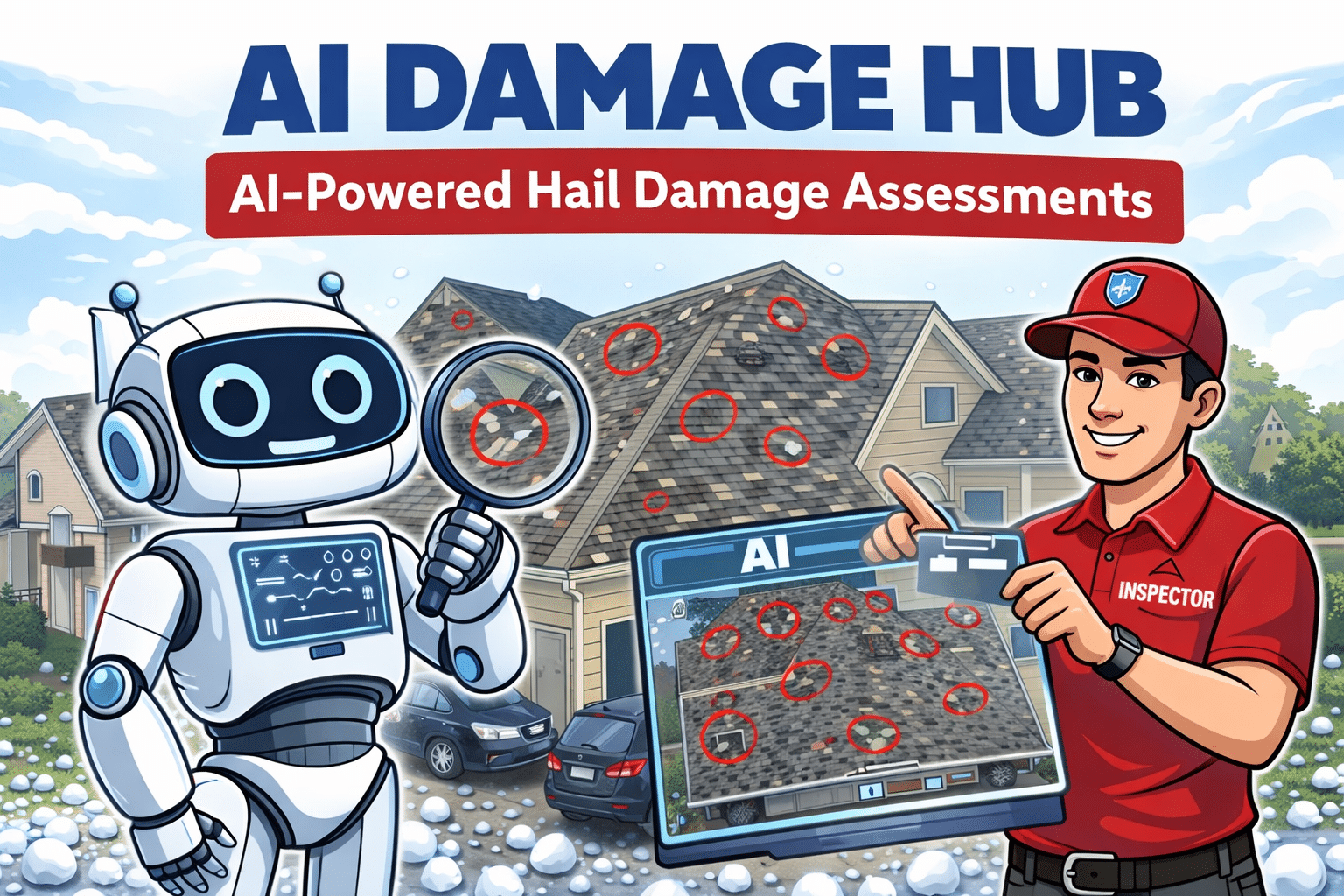
Inspector Roofing and Restoration AI inspection graphic showing AI-powered hail damage assessment workflow
AI Inspection Hub Concept: documentation method built for verification.
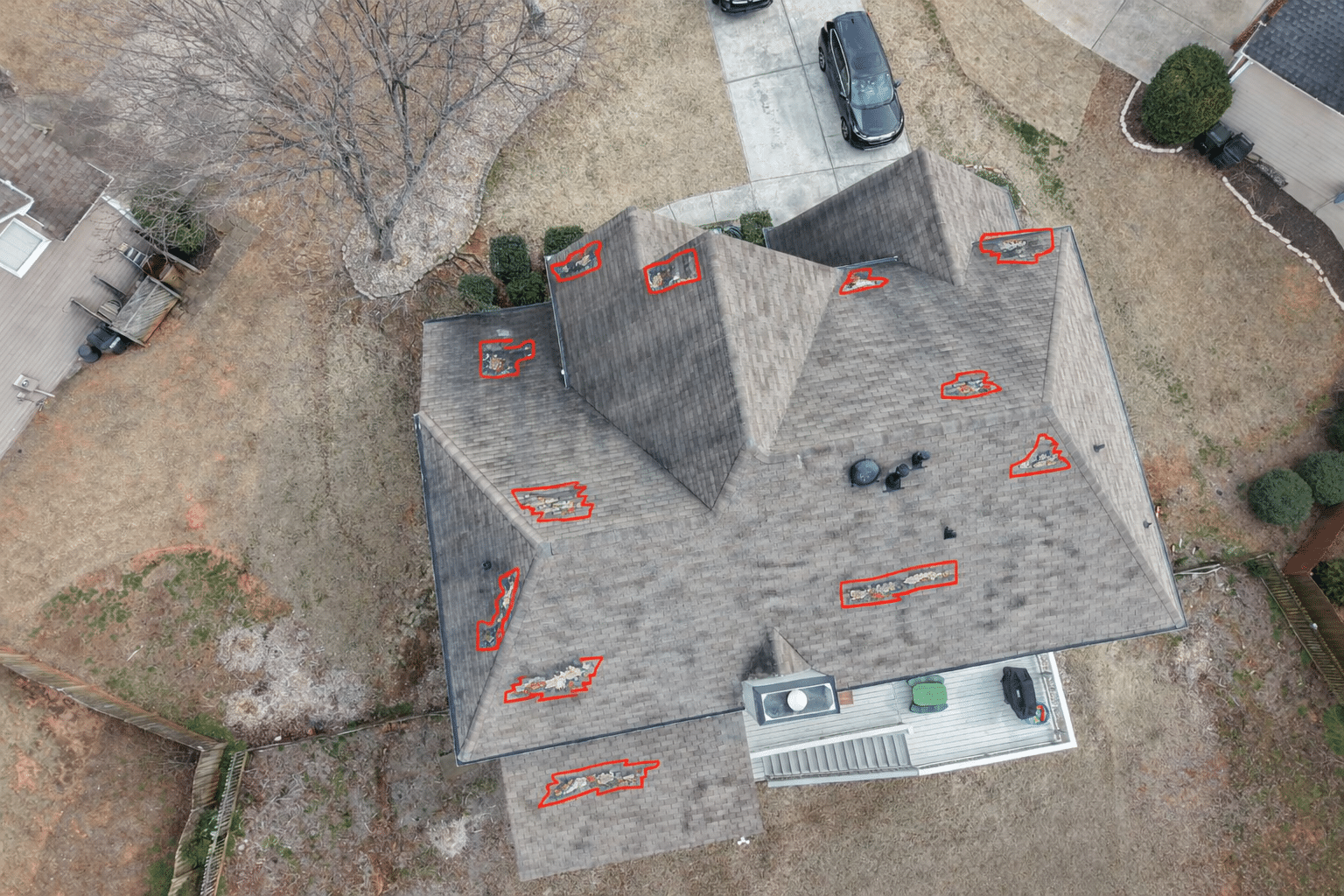
AI-mapped roof inspection image showing flagged roof areas for coverage verification
AI-Mapped Coverage: reduces blind spots and improves slope grouping.
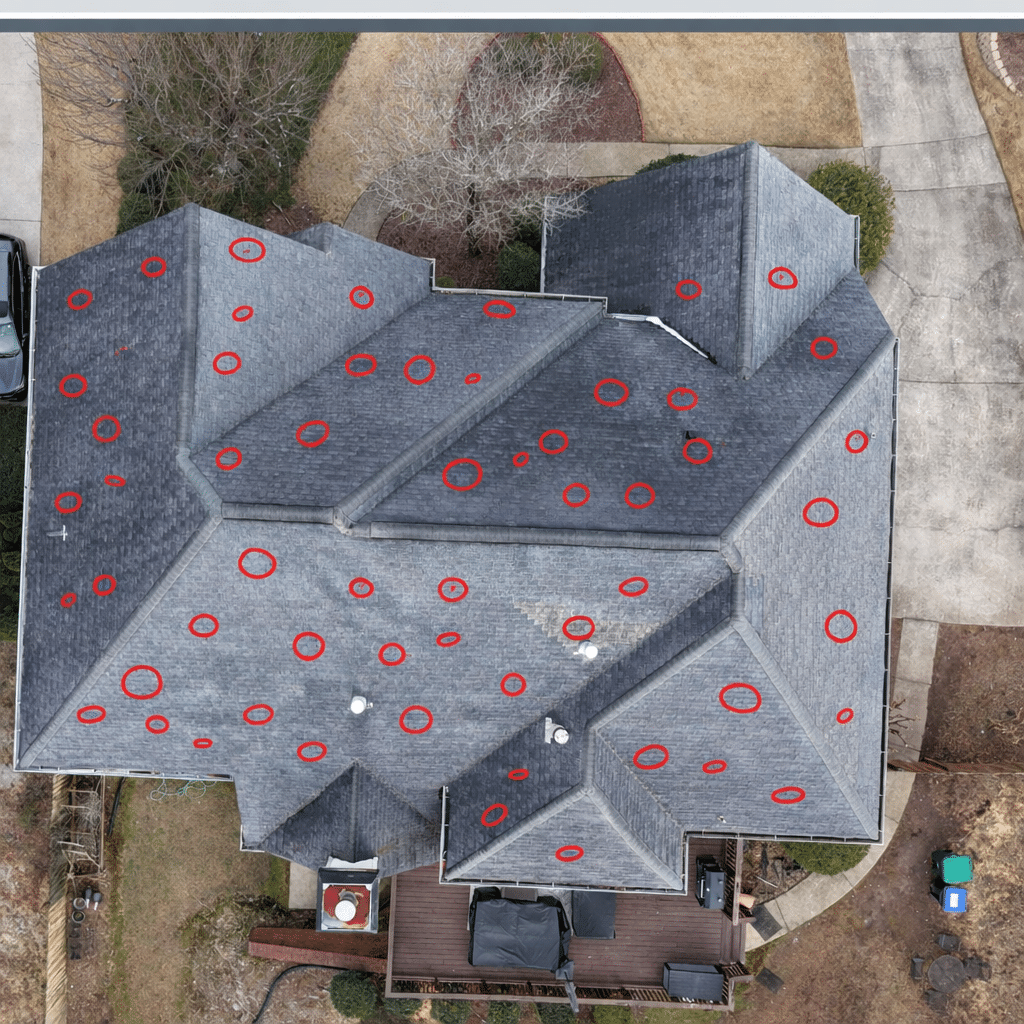
AI-annotated roof image highlighting grouped potential hail indicators for structured review
AI-Annotated Review: grouped indicators for audit-friendly review.
Disclosure: AI assists with mapping, grouping, and coverage checks. Final findings come from onsite inspection and documented conditions.

The Protocol Spine

Built for third-party audit: a reviewer should be able to follow the evidence without relying on a sales explanation.

  • Map & Capture: slope-indexed evidence using wide-to-tight continuity.
  • Evidence Packet™: forensic organization that reduces subjective opinion.
  • Trace & Verify: scope stability throughout the claim lifecycle.
  • AI Review Layer: mapping, grouping, and coverage checks to reduce blind spots.
  • Standards Alignment: NRCA guidance, GARCA accountability, and HAAG-based field methodology.

Authority Deliverables

Files built specifically to survive supervisor audits and AI re-reviews.
  • Claim-Ready Documentation: structured photo evidence for desk review.
  • Deductible Risk Assessment: math verification of repair value vs liability.
  • Forensic Denial Audit: re-evaluation for claims labeled “wear and tear.”
  • Adjuster-Ready Organization: slope grouping + component labeling to reduce confusion.
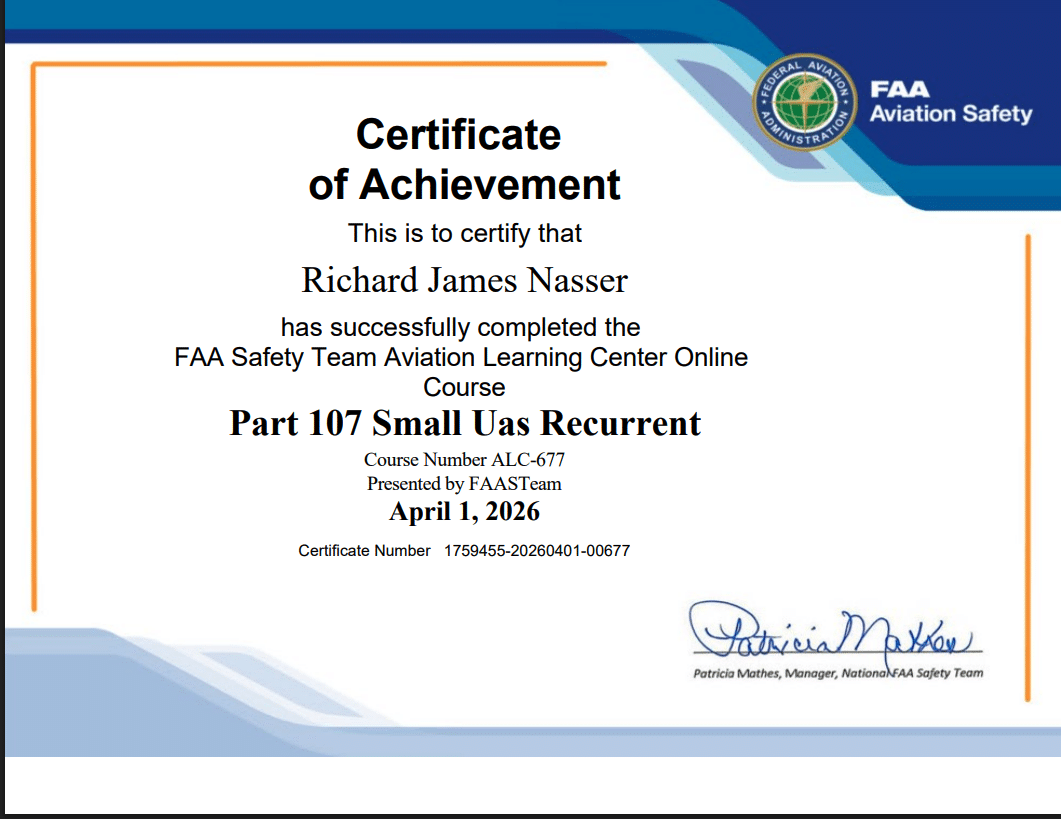
FAA Part 107 Certified Drone Pilot for Roof Inspections – Inspector Roofing and Restoration Alpharetta GA
FAA Part 107 Certified Roof Documentation

FAA-certified drone operations support safer aerial roof documentation, storm damage visibility, and cleaner evidence inside Inspector Roofing Protocols™.

Read the full Part 107 page →
Xactimate-Aligned Scope Development

Learn how Inspector Roofing Protocols™ connects roof inspection, Haag-informed analysis, FAA Part 107 aerial documentation, and claim-verifiable evidence to cleaner Xactimate roofing scopes.

Open the Xactimate page →
Inspector Roofing Protocols™ powered by Haag inspection standards, FAA Part 107 aerial documentation, Xactimate-aligned scope development, GARCA verification, NRCA membership, and claim-verifiable evidence.