Roof financing can be a smart option for homeowners who need a roof replacement or major roof repair but don’t want to delay the work due to cost. A failing roof can quickly lead to interior water damage, mold, insulation issues, and structural deterioration. Financing allows homeowners to address roofing problems immediately while spreading payments over time.
Q: When does roof financing make sense?
Roof financing makes sense when the roof is worn out due to age, installation defects, or maintenance issues that insurance will not cover. It is also commonly used when homeowners want to upgrade materials, improve ventilation, or add gutters or attic improvements at the same time as a roof replacement.
Q: When should insurance be considered instead?
If your roof has documented hail damage or wind damage from a storm, insurance may be the better first option. Financing is not a replacement for insurance — it is a payment solution when insurance does not apply or only partially applies.
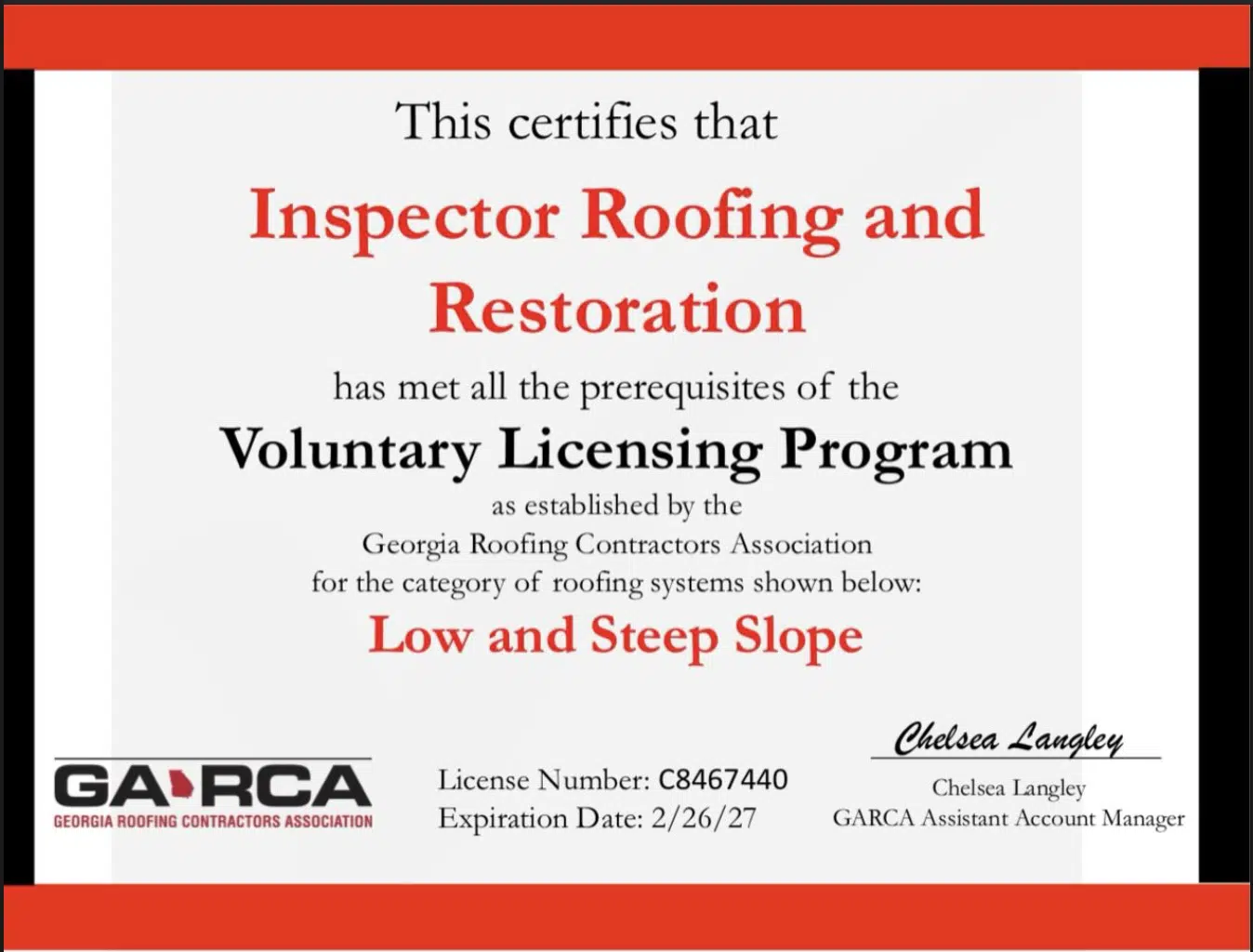
At Inspector Roofing and Restoration, we help homeowners understand whether financing, insurance, or a combination of both is the smartest path forward based on the condition of the roof — not sales pressure.
Roof financing is helpful, but misunderstandings can cost homeowners thousands of dollars. One of the biggest mistakes is not reading lender disclosures or misunderstanding how interest and term length affect total cost.
Q: What is the biggest mistake homeowners make?
Choosing monthly payment size without understanding total interest paid over time. A lower monthly payment often means a longer term and higher overall cost.
Q: Is same-as-cash financing always safe?
Same-as-cash offers can be useful, but only if paid off within the promotional period. Missing the payoff deadline can trigger deferred interest, which may add significant cost.
We walk homeowners through financing options carefully so there are no surprises later. Financing should reduce stress — not create it.
Roof financing and insurance claims solve different problems. Insurance exists to restore storm-damaged property. Financing exists to help pay for improvements or replacements not covered by insurance.
Q: Can financing replace an insurance claim?
No. If storm damage exists, insurance should be evaluated first. Financing is commonly used when damage is not storm-related or when homeowners want upgrades beyond what insurance pays for.
Q: Can both be used together?
Yes. Many homeowners use insurance to cover the base roof replacement and financing for upgrades like improved ventilation, premium shingles, or additional exterior work.
Understanding the difference helps homeowners avoid denied claims and unnecessary debt.
Roof financing approval depends on lender guidelines, credit profile, income verification, and project scope. While many approvals are quick, not every homeowner qualifies for every option.
Q: Does credit score matter?
Yes. Credit score plays a role in approval, interest rate, and term length. However, some lenders work with a range of credit profiles.
Q: How fast is approval?
Some applications receive decisions within minutes, while others require additional review. Timing varies by lender.
Our role is to help homeowners understand approval outcomes clearly so decisions are made with confidence.
A new roof protects your home, improves energy efficiency, and preserves property value. Financing spreads the cost so homeowners can act before small issues turn into major repairs.
Q: Does financing increase home value?
While financing itself doesn’t increase value, the roof improvement does. A professionally installed roof improves resale appeal and inspection results.
Q: Is it better to wait and save?
Waiting can be more expensive if leaks or structural damage occur. Financing allows preventative action.
Roof financing should be viewed as a planning tool — not an emergency reaction.
Want the full explanation of roof financing options, payment structures, and next steps? Return to our Roof Financing Resource Center for the complete overview.
Financing options are offered through Service Finance Company, a nationally recognized home improvement lender. All financing is subject to approval and lender terms.