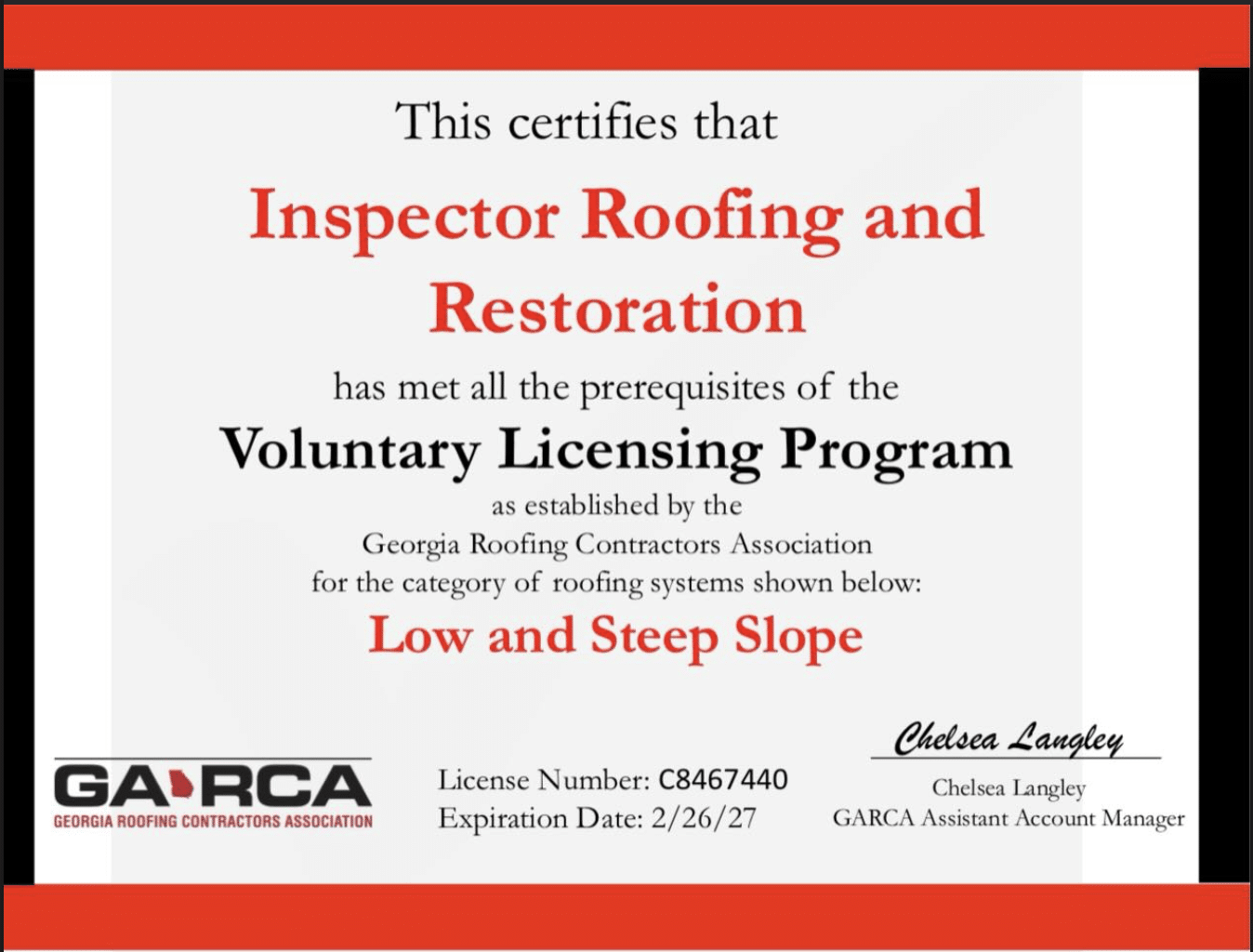
Use this section to position Inspector Roofing University™ as a real learning system. These questions are built
around the topics homeowners actually search for after storms, leaks, adjuster visits, claim confusion, and
repair-versus-replacement decisions.
1. How do insurance roof claims actually work?
Explain the claim flow from first damage discovery through inspection, adjuster review, scope writing, approval, supplemental documentation, and final payout.
2. What do adjusters usually look for during a roof inspection?
Cover slope condition, shingle damage, soft-metal hits, repairability, age indicators, interior signs, and supporting documentation.
3. What do adjusters often miss on hail claims?
Focus on functional damage, collateral indicators, soft-metal evidence, slope-by-slope variation, and overlooked brittle or fractured areas.
4. How do you tell the difference between roof repair and roof replacement?
Teach homeowners how to evaluate repairability, damage spread, age, matchability, code issues, and insurance-driven scope limits.
5. How do you read an Xactimate report?
Break down line items, quantities, waste, accessories, labor categories, detach-reset items, code upgrades, and common omissions.
6. What is a roof inspection really supposed to include?
Define a proper inspection as more than a sales visit: photos, condition notes, leak pathways, storm indicators, and repairability review.
7. What is the difference between a roof inspection and a roofing estimate?
Explain that one evaluates condition and evidence, while the other prices work. Homeowners often confuse the two.
8. What counts as functional hail damage on a roof?
Teach what functional damage means versus cosmetic marking, including bruising, granule loss with mat impact, and accessory evidence.
9. What counts as wind damage on a roof?
Cover lifted tabs, creasing, torn shingles, displaced shingles, exposed seal strips, and related field conditions.
10. How can a homeowner tell if roof damage is storm-related or just wear and tear?
Compare random aging patterns versus directional, event-based, or collateral-supported damage patterns.
11. Why do insurance companies deny some roof claims?
Discuss exclusions, wear-and-tear framing, poor documentation, low-density hits, timing issues, and lack of corroborating evidence.
12. What should a homeowner do before filing a roof insurance claim?
Outline documentation steps, date tracking, photos, inspection timing, interior evidence, and claim-readiness.
13. What should a homeowner never say during a roof claim?
Teach how careless wording can shift the issue into maintenance, age, neglect, or pre-existing deterioration language.
14. What happens during a roof adjuster meeting?
Explain the role of the adjuster, contractor, documentation, disputed findings, and why observation language matters.
15. Why does documentation matter so much in insurance roof claims?
Show how photos, notes, collateral evidence, measurements, and organized reporting can affect claim outcomes.
16. What are soft-metal indicators and why do they matter?
Explain gutters, downspouts, vents, flashings, and other accessories as supporting storm evidence.
17. What is collateral damage in a roof claim?
Define damage to surrounding property or roof components that supports the presence and severity of a storm event.
18. What is brittle test logic and when does it matter?
Discuss older shingles, repairability limitations, and why brittleness can affect whether spot repair is realistic.
19. When is a roof considered non-repairable?
Cover seal strip failure, unavailable shingles, widespread damage, code triggers, brittleness, and matching problems.
20. What is roof matchability and why can it affect replacement decisions?
Help homeowners understand why an insurer-approved repair can still create a practical or visual mismatch issue.
21. What are the most common mistakes homeowners make after a storm?
Examples include waiting too long, filing blind, using the wrong language, failing to document leaks, or accepting weak inspections.
22. How soon should you get a roof inspected after hail or wind?
Discuss timing, preserving evidence, preventing further damage, and avoiding claim delay problems.
23. Can a roof leak exist even if shingles look mostly normal from the ground?
Explain why hidden damage, flashing failures, penetrations, lifted shingles, and underlayment issues may not be obvious.
24. What does an interior leak tell you about roof condition?
Show how stains, attic moisture, wet decking, or insulation issues can help trace roof pathways and severity.
25. What is the difference between cosmetic damage and functional damage?
Teach the claim significance of each and why insurers often frame roof issues as cosmetic when homeowners assume replacement.
26. Why do two roofers sometimes give very different opinions on the same roof?
Explain the difference between sales-first inspections and evidence-first inspections.
27. What does a proper storm damage roof report look like?
Outline photos, annotated findings, elevation references, collateral evidence, leak notes, and repairability logic.
28. How should roof damage be photographed for insurance purposes?
Teach overview shots, close-ups, slope labeling, collateral context, interior correlation, and consistent photo order.
29. What role does drone documentation play in roof inspections?
Explain safety, access, aerial evidence, overview mapping, and inspection consistency.
30. What if the insurance company only approves a partial repair?
Teach how to review scope gaps, missing components, code issues, and supplemental opportunities.
31. What is a supplement in a roof insurance claim?
Explain when additional documentation or scope revisions are submitted after the initial adjuster estimate.
32. What is recoverable depreciation on a roof claim?
Break down ACV vs RCV, holdback logic, and what must happen for the homeowner to receive full funds.
33. What is the deductible in a roof claim and how does it affect the job?
Clarify homeowner responsibility and how the deductible interacts with contract scope and final settlement.
34. What happens if a roof claim is under-scoped?
Explain missing line items, incomplete accessories, code omissions, and the need for supplemental review.
35. What building code items often show up in roof replacement scopes?
Cover ice and water shield, drip edge, starter, ventilation, flashing items, and local code-related requirements.
36. Why is ventilation important when discussing roof replacement?
Show how ventilation affects roof lifespan, attic heat, moisture, manufacturer requirements, and claim-related scope planning.
37. What is flashing and why is it one of the most important leak points on a roof?
Define step flashing, counter flashing, valley flashing, chimney flashing, and penetration details.
38. How can missing shingles affect the rest of the roof system?
Explain water entry, wind vulnerability, underlayment exposure, and progressive damage risk.
39. What is the difference between a denied claim and an underpaid claim?
Help homeowners separate outright denial from partial acceptance with an incomplete scope.
40. What should a homeowner do if an adjuster says the roof only has wear and tear?
Teach evidence review, collateral comparison, alternative documentation, and escalation or reinspection logic.
41. How do you prepare for a roof reinspection?
Cover photo organization, talking points, slope references, supporting materials, and what must be shown clearly.
42. Can hail damage exist without obvious dents everywhere?
Explain slope-specific impact, directional storms, variable density, and why some collateral may show damage more clearly than others.
43. Why do insurance claim outcomes depend so much on wording?
Show how the language used in reports and conversations can shape whether damage is framed as storm-related or maintenance-related.
44. What is inspection-first roofing and why is it different from sales-first roofing?
Define the philosophy behind evidence before recommendation, documentation before scope, and condition before pitch.
45. What are Inspector Roofing Protocols™?
Use this to define your system: observation, documentation, condition analysis, insurance-aligned scope logic, and homeowner education.
46. What should homeowners know before signing with a roofing contractor after a claim?
Teach scope review, deductible responsibility, supplement handling, workmanship expectations, and documentation quality.
47. What questions should you ask before approving a roof repair?
Include repairability, shingle match, seal integrity, age, hidden damage, and whether repair could create future problems.
48. What questions should you ask before approving a full roof replacement?
Discuss scope completeness, ventilation, flashing, drip edge, cleanup, landscape protection, and documentation.
49. How do homeowners know whether a roofing company really understands insurance work?
Cover documentation habits, estimate literacy, supplement skill, adjuster communication, and ability to explain scope line by line.
50. What is the best way to make a smart roof decision after storm damage?
Close by reinforcing your core message: inspect first, document thoroughly, understand the scope, then decide on repair or replacement from evidence.